
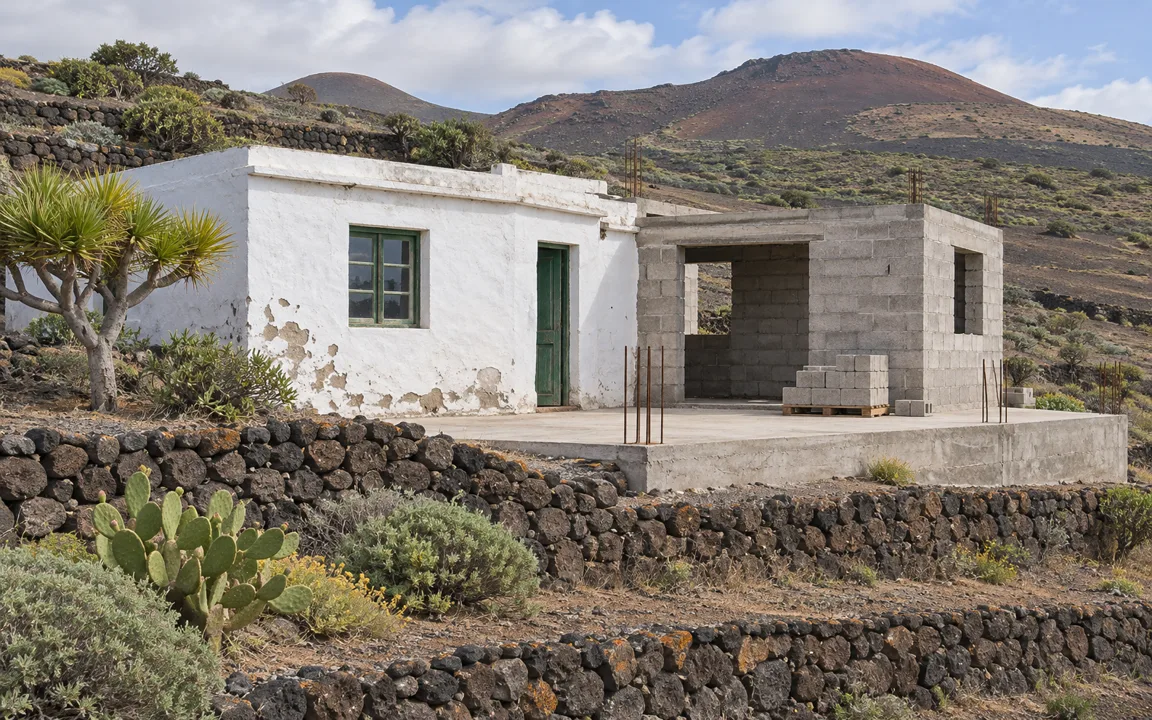
The house at the centre of the proceedings
Between 2011 and 2016, two owners built a house and several adjoining structures on a plot in Vigo without applying for planning permission. Although the planning designation provided for potential future development, the land was subject to rural land rules. The reports submitted in the proceedings concluded that the works could not be legalised.
What the Supreme Court decided
The Supreme Court dismissed the appeal and upheld the conviction for a land-use planning offence. Each defendant had been sentenced to one year in prison, a twelve-month fine and a one-year disqualification from construction or property development activities. The order to demolish the works and restore the land at the defendants’ expense also remained in place.
Why the prospect of development was insufficient
The judgment focuses on the rules applicable when the works were carried out. The possibility that a future plan might allow a different use of the land did not remove the offence. The decisive point was that the building could not be authorised under the planning rules applicable at the time. The absence of planning permission alone does not make every building project a criminal offence.
A situation that also concerns property owners in the Canary Islands
Someone may buy a plot with a house believing that a future planning amendment will resolve its position. This case was decided under Galician planning legislation. In the Canary Islands, the local land-use rules and the property’s circumstances require individual assessment. If you have concerns about a building or planning enforcement proceedings, we can review your case.
Judgment reference
Spanish Supreme Court, Criminal Chamber. Judgment 241/2022 of 16 March. Appeal 2092/2020. ECLI:ES:TS:2022:954. Editorial date of this commentary: 13 April 2022.